
PEDIATRIC PSYCHIATRISTS DEPRESSION CORAL SPRINGS

We are a collaborative team with pediatric psychiatrists near Coral Springs experienced in treating Depression.

Our pediatric psychiatrists near Coral Springs offer in-person and virtual appointments

In-person appointments offered at our nearby Boca Raton office

Doctor Sam, LLC
2600 N Military Trail
Ste 355
Boca Raton, FL 33431


Child, Adolescent & Adult Psychiatrists
Dr. Sam / Dr. Vittori / Dr. Erin
Treats ages 3 and older
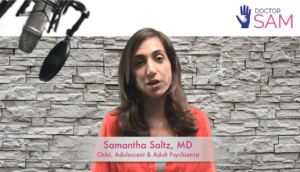
Samantha Saltz, MD
Psychiatrist
Ages: 3 yrs - Adult
Dr. Sam is a double board-certified child, adolescent and adult psychiatrist. She is the founding member and fearless leader of the Doctor Sam team...
About Dr. Sam
Angela Vittori, MD
Psychiatrist
Ages: 3 yrs - Adult
Dr. Vittori is a board-certified psychiatrist treating children, adolescents & adults.
About Dr. Vittori

Erin Ortegon, MD
Psychiatrist
Ages: 3 yrs - Adult
Dr. Erin is a double board-certified child, adolescent and adult psychiatrist...
About Dr. Erin

Board-Certified
Adult Psychiatry
Dr. Stark / Dr. Kroin
Matthew Stark, MD
Psychiatrist
Ages: 15 yrs - Adult
Dr. Stark is a board-certified psychiatrist. He is award winning, empathetic and believes in a team-approach to medicine...
About Dr. Stark

Jessica Kroin, MD
Psychiatrist
Ages: 12 yrs - Adult
Dr. Kroin is a board-certified psychiatrist.  She is authentic, compassionate and has a passion for working with teenagers and adults...
About Dr. Kroin

Operations
Joshua Saltz, Esq.
Chief Operating Officer
Josh is the Chief Operating Officer at Doctor Sam. He assists Doctor Sam with operations of the practice outside of clinical care.
About Josh

Learn more about depression

Mental Health Education

Major Depressive
Disorder

More than sadness — depression is a complex medical condition that changes how you feel, think, and function each day. Understanding it is the first step toward getting better.

Summary

Key Takeaways

MDD is a medical condition, not a personal weakness or simply "feeling sad." It changes how the brain functions and requires professional care.

Diagnosis requires five or more symptoms present for at least two consecutive weeks, with depressed mood or loss of interest as a core feature.

MDD affects all ages, including children and adolescents — who may show irritability or physical complaints rather than sadness.

Effective treatments exist. Therapy, psychiatric medication, and lifestyle support — alone or combined — can produce meaningful, lasting recovery.

Early help leads to better outcomes. You don't need to be in crisis to see a psychiatrist — the sooner care begins, the more effective it tends to be.

Recognizing Depression

Common Signs & Symptoms

Persistent Low Mood

Feeling sad, empty, or hopeless for most of the day, nearly every day — not tied to a specific event.

Loss of Interest

Little or no pleasure in things you once enjoyed — hobbies, social time, or activities that used to matter.

Fatigue

Constant exhaustion and loss of energy, even after a full night's sleep or rest.

Sleep Disturbances

Sleeping far too much, or struggling to fall or stay asleep — both are hallmark symptoms of depression.

Difficulty Concentrating

Trouble thinking clearly, making decisions, or remembering things you normally wouldn't forget.

Appetite Changes

Noticeably eating more or less than usual, often resulting in unintended weight change over time.

Worthlessness or Guilt

A pervasive inner voice saying you're a burden, a failure, or responsible for things beyond your control.

Psychomotor Changes

Feeling visibly slowed down, or the opposite — restless, agitated, and unable to settle.

Thoughts of Death

Recurring thoughts about death or self-harm. These are medical symptoms and deserve immediate care.

How Is MDD Diagnosed?

A psychiatrist diagnoses MDD when five or more symptoms are present for at least two consecutive weeks — with at least one being depressed mood or loss of interest. A thorough psychiatric evaluation ensures an accurate diagnosis and rules out medical or other contributing causes, so treatment is targeted and effective from the start.

Evidence-Based Care

Treatment Options That Work

Therapy

Psychotherapy

Cognitive Behavioral Therapy, Interpersonal Therapy, and other evidence-based modalities help reframe thought patterns and develop lasting coping skills.

Medication

Psychiatric Medication

SSRIs, SNRIs, and other antidepressants are carefully matched to your biology, symptoms, and history by your psychiatrist for the best response.

Lifestyle

Integrative Support

Sleep hygiene, nutrition, movement, and mindfulness are powerful complements to clinical care — and part of a whole-person treatment approach.

Common Questions

Frequently Asked Questions

Sadness is a normal human emotion that typically resolves on its own. Major Depressive Disorder is a medical condition that persists for at least two weeks, affects multiple areas of daily life, and does not lift without treatment. MDD is not simply a response to a difficult event — it changes how the brain functions and requires professional care to address.

Yes. MDD affects people of all ages, including young children. In children and adolescents, depression may look different than it does in adults — irritability, school refusal, social withdrawal, or unexplained physical complaints like stomachaches are common presentations. Early evaluation by a child and adolescent psychiatrist is important for healthy development and long-term wellbeing.

The "chemical imbalance" explanation is an oversimplification of a much more complex picture. MDD involves an interplay of genetics, brain structure and connectivity, hormones, life experiences, and environment. No single cause explains all cases — which is precisely why individualized psychiatric evaluation and treatment planning matters so much.

Not necessarily. Many people improve significantly with psychotherapy alone, particularly for mild to moderate depression. For moderate to severe MDD, a combination of medication and therapy is often the most effective approach. Your psychiatrist will recommend a treatment plan based on your specific symptoms, history, and personal preferences — never a one-size-fits-all protocol.

Without treatment, a depressive episode can last months or even years. With proper psychiatric care, most people begin to see meaningful improvement within weeks to a few months. Some people experience a single episode in their lifetime; others experience recurrent episodes that benefit from ongoing treatment and monitoring.

Yes — MDD can be recurrent. Many people who experience one episode will have another at some point in their lives. Ongoing therapy, maintenance medication when appropriate, and lifestyle support significantly reduce the risk of relapse. Recognizing early warning signs with the help of your psychiatrist is a key part of long-term care.

If low mood, loss of interest, or other symptoms have persisted for two or more weeks and are affecting your daily life, work, or relationships, it is time to speak with a psychiatrist. You do not need to be in crisis to seek care — in fact, early intervention consistently leads to better outcomes. Trust what you're feeling.

No. While both conditions involve depressive episodes, bipolar disorder also includes periods of elevated, expansive, or manic mood. Distinguishing between them is a critical part of a thorough psychiatric evaluation — the treatments differ significantly, and some medications commonly used for depression can worsen bipolar disorder if the diagnosis is missed.

You don't have to navigate this alone.

Board-certified psychiatric care for children, adolescents & adults in Boca Raton, FL.

Schedule a Consultation →

If you are having suicidal thoughts or concerns for your safety, call 911 immediately or go to your local emergency room. If you or someone you know is in crisis, you can also call or text 988 to reach the Suicide & Crisis Lifeline.

Depression

Mental Health Education Major DepressiveDisorder More than sadness — depression...

Read More